
Current Projects in South Africa
We are collaborating with three traditional communities in the North West Province of South Africa to demonstrate our blueprint during the 2025/2026 summer growing season. These partnerships serve as proof-of-concept sites that will inspire and inform expansion throughout the region.
Our Implementation Model:

Establishment
The NWU supplies the first batch of seeds and provides technical guidance for land preparation and planting. Our team works alongside community members from day one, ensuring knowledge transfer happens in real-time.

Training & Support
Throughout the growing season, we provide on-the-job training in all aspects of ancient grain cultivation, from planting techniques to pest management, irrigation strategies, and harvest methods. Community members become experts in their own right.

Harvest & Transfer
Upon harvest of our demonstration crops, we transfer full management, control, and ownership to the local community partners. This ensures true empowerment and long-term sustainability.

Expansion
Equipped with knowledge, seeds, and confidence, communities can expand their own operations and assist neighbouring villages in starting their own ancient grain projects.
Trial Farms
Our research includes trial farms at the Potchefstroom and Mahikeng campuses, where we test varieties, optimize growing conditions, and develop best practices that inform our community partnerships.
Recent Milestones:
January 2025: Professor Jacques Berner planted the first trial batch at our Potchefstroom Trial Farm
March 2025: PhD student Rebaona Molefe inspected thriving crops at our Mahikeng Trial Farm
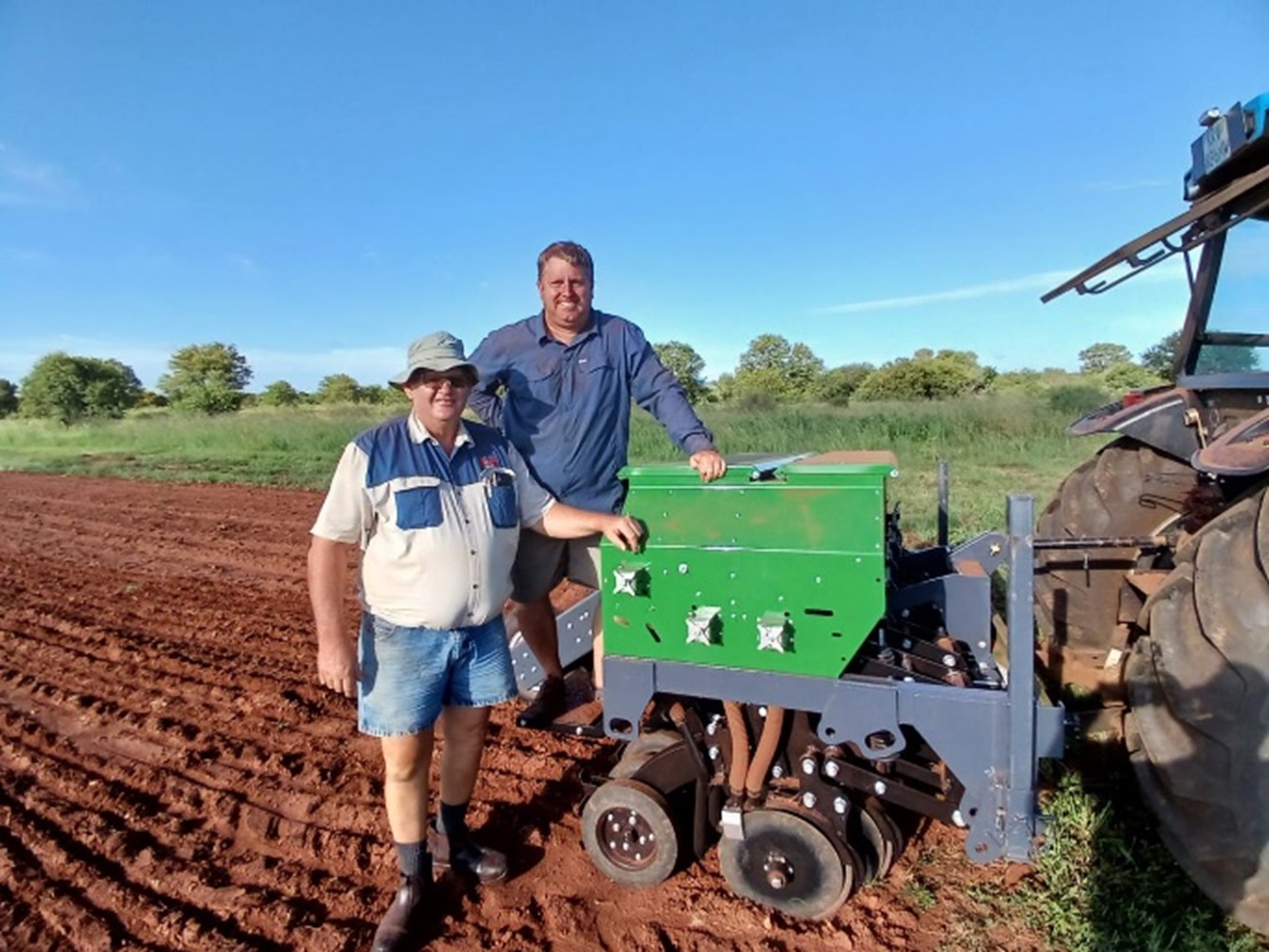
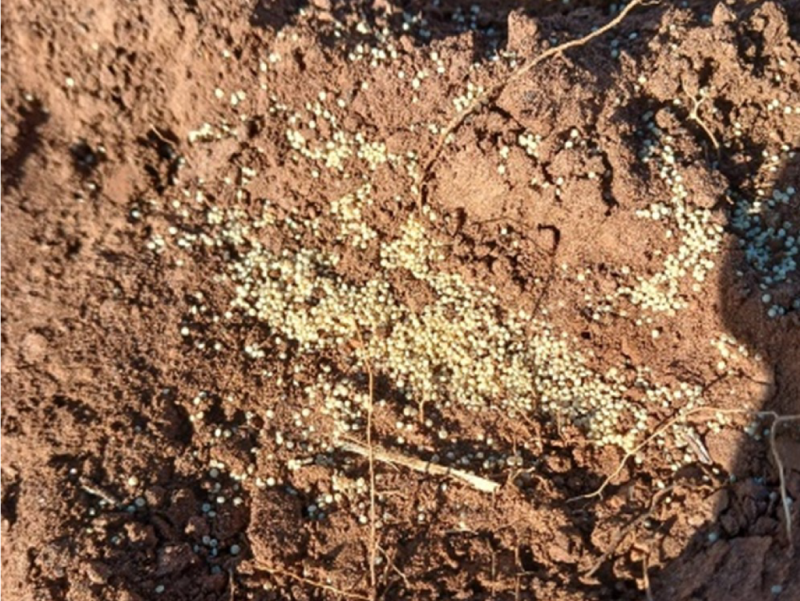
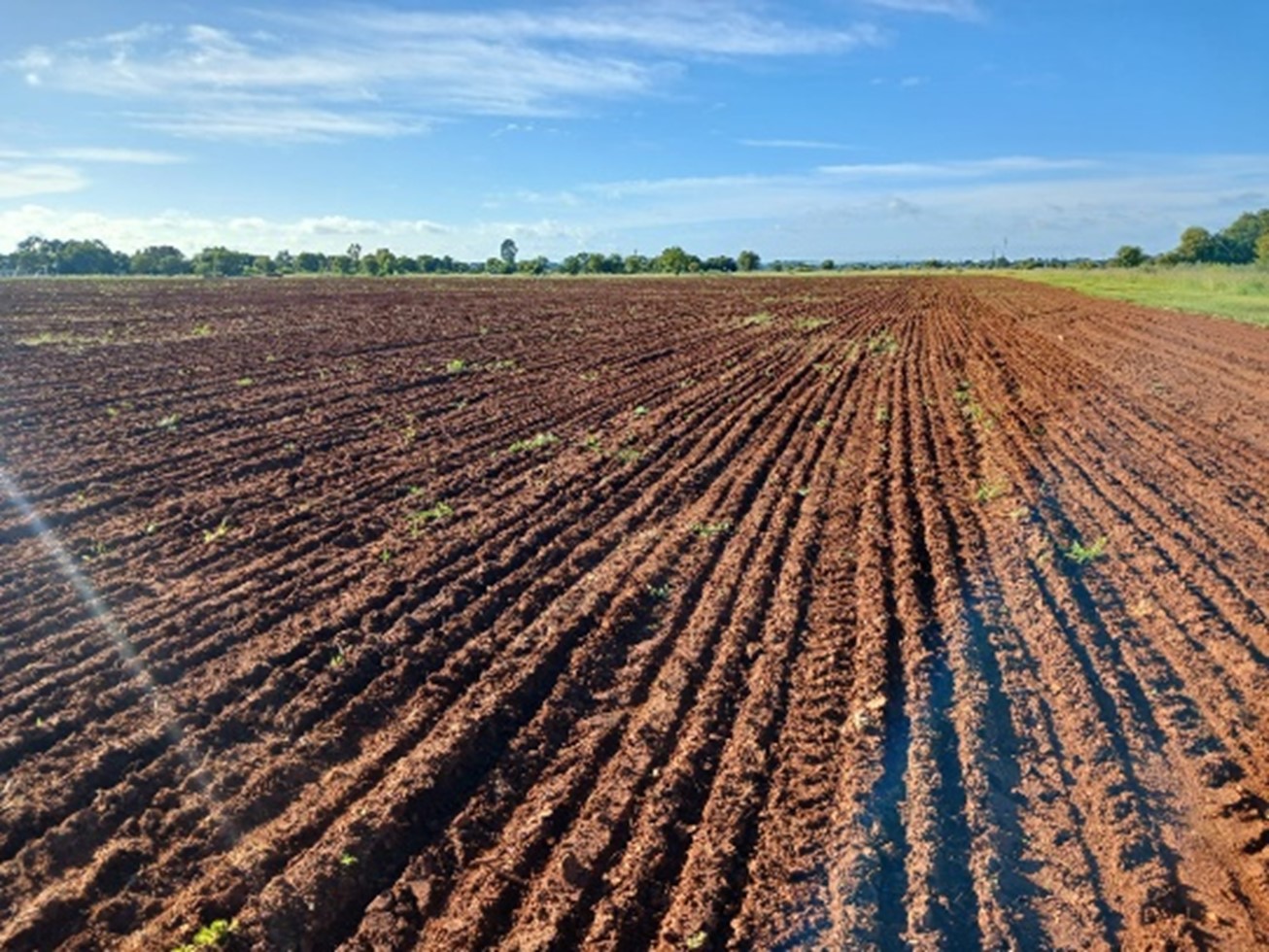
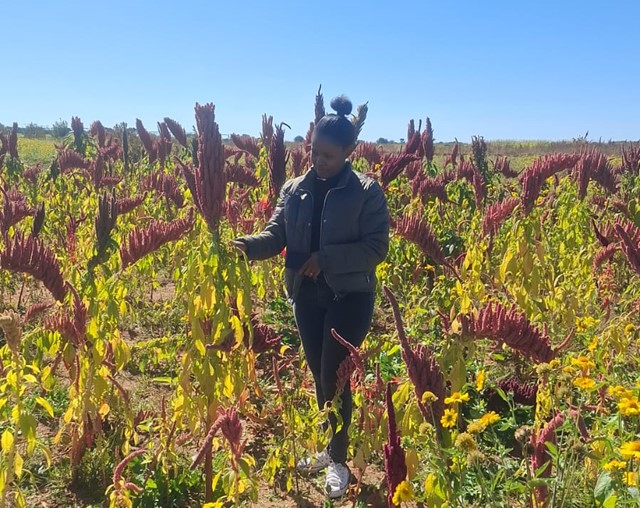
These trials provide invaluable data that strengthens our blueprint and increases success rates in community implementations.
Reaching the Rest of Africa
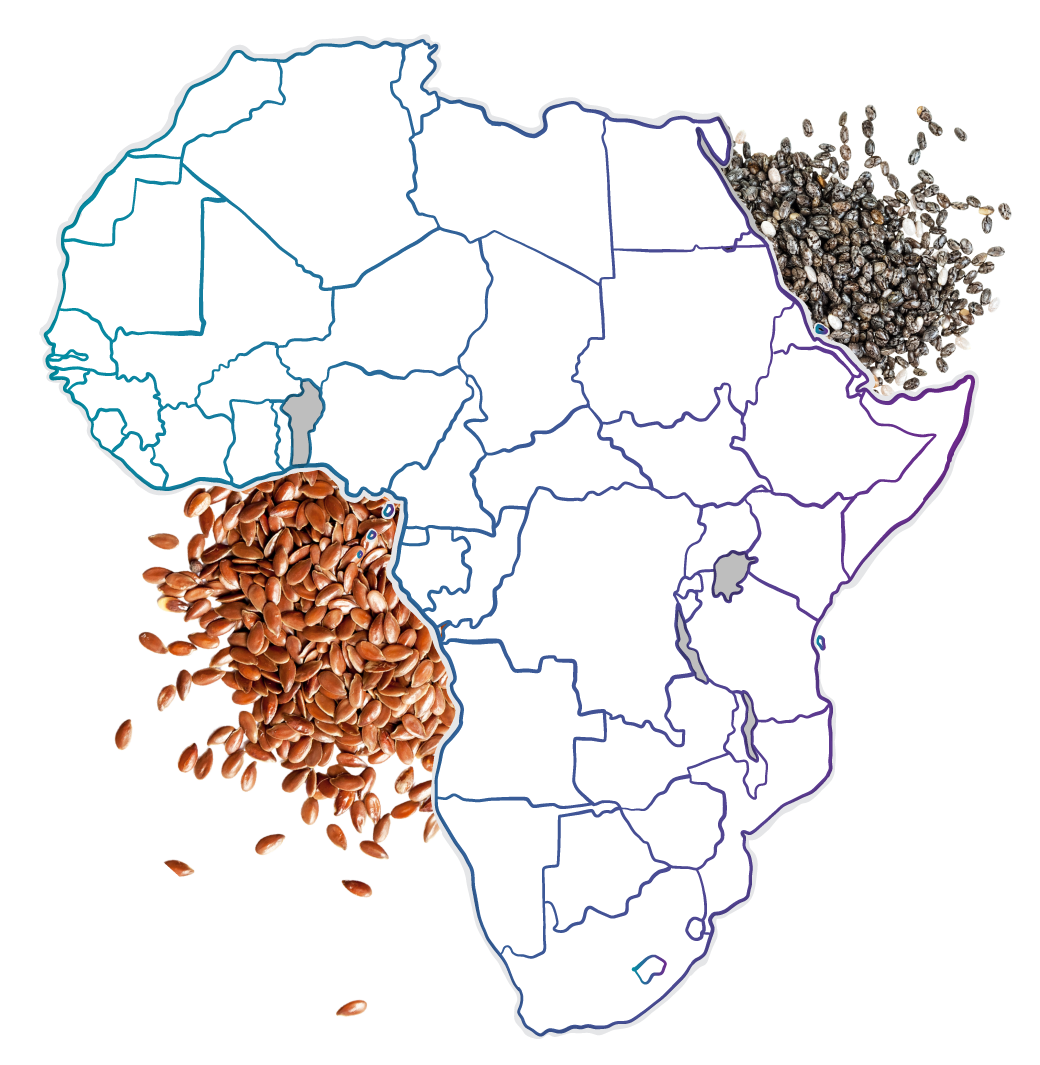
Our vision extends far beyond South Africa. We aim to expand the impact of this project throughout Sub-Saharan Africa over the next 10-15 years, creating a network of communities and institutions working together to combat hunger and malnutrition.
These partnerships represent a growing network of institutions and individual scientists across Africa who share our vision. We maintain open access to our blueprint plans and pursue joint funding approaches to philanthropies and international donors, ensuring that resources flow where they’re needed most.
Current International Collaborations:
Kenya – Taita Taveta University
Our Kenyan partners are implementing ancient grain projects and indigenous vegetable initiatives in their local communities, with full access to our blueprint plans.

Nigeria – Federal University of Oye-Ekiti
Nigerian collaborators are driving ancient grain cultivation and developing locally appropriate applications of our methodologies.

Nigeria – Dr. Abeeb B. Omotoso
Working with Oyo State College of Agriculture and Technology in Igboora, Dr. Omotoso is advancing ancient grain adoption in his region.

South Africa – AM Trends
In partnership with Dr. Johnny van der Merwe and AM Trends, we’re exploring commercial applications and market development for ancient grains.
The Power of Collaboration
Our model succeeds because it’s built on genuine partnership. We don’t impose solutions—we co-create them with communities who understand their land, their climate, and their needs. By combining traditional agricultural knowledge with modern scientific insights, we’re developing approaches that are both innovative and culturally appropriate.
Every community that succeeds becomes a teacher for the next, creating a ripple effect of positive change across the continent.