
2026
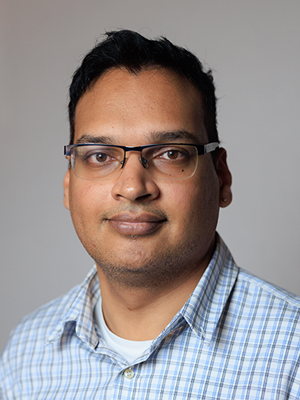
Prof. Kapil Moothi
Engineering at the nanoscale for a sustainable world: From nanotechnology to water and environmental solutions...read more
Prof. Kapil Moothi
Engineering at the nanoscale for a sustainable world: From nanotechnology to water and environmental solutions
This inaugural lecture reflects on my research journey in chemical engineering and the evolution of my work towards using nanotechnology to address environmental challenges. Beginning with investigations into carbon nanotube synthesis from coal-derived hydrocarbons and alternative carbon sources, my research explored how catalytic processes could produce advanced nanomaterials. This foundation led to the development and investigation of carbon nanotube-infused polymer membranes for industrial wastewater treatment and acid mine drainage, extending my work from understanding how nanomaterials are made to engineering how they function in practical separation processes.
Building on this foundation, I expanded my research into emerging water contaminants and the conversion of South African agricultural residues, particularly corncobs, into cellulose nanocrystals for adsorption and separation applications. More recently, process optimisation, artificial intelligence and data-driven modelling have strengthened the emphasis on understanding material performance and improving process design. Together, these research directions reflect a sustained effort to connect materials science with chemical engineering principles and environmental applications.
The lecture examines the scientific questions, engineering challenges and collaborative efforts that have shaped this progression, while considering the gap between promising laboratory results and sustainable technological solutions. It also reflects on the future of nanotechnology-enabled environmental engineering, where material innovation must be accompanied by rigorous process evaluation, resource efficiency, environmental safety and practical applicability. Ultimately, my research journey illustrates how engineering at the nanoscale can contribute to addressing challenges at a much larger scale, advancing cleaner water, responsible resource utilisation and sustainable development.